Developing a Soccer Coaching Style and Philosophy

Developing a Soccer Coaching Style and Philosophy

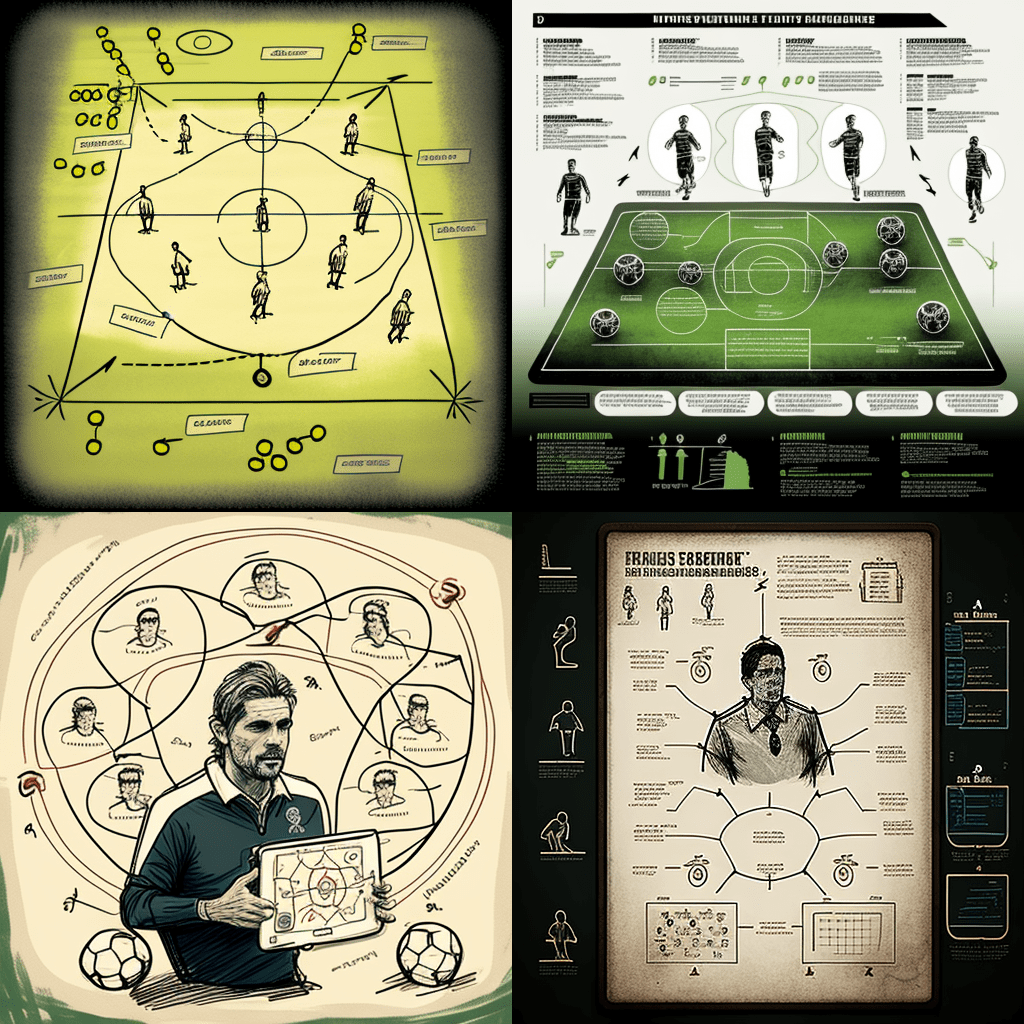
Coaching soccer is a challenging and rewarding experience. It requires a combination of technical knowledge, emotional intelligence, and the ability to lead and motivate players. As a coach, you will play a significant role in shaping the lives and careers of your players, and it is important to have a clear coaching style and philosophy to guide your actions and decisions.

In this blog post, we will explore the steps involved in developing a coaching style and philosophy for soccer, as well as the importance of having a clear and consistent approach to coaching.

Step 1: Assess Your Strengths and Weaknesses

The first step in developing a coaching style and philosophy is to assess your strengths and weaknesses as a coach. This involves reflecting on your own skills and experiences, as well as considering feedback from players, parents, and other coaches.

You should consider your communication skills, leadership style, and ability to motivate players, as well as your technical knowledge of the game. Take time to identify areas where you can improve and develop new skills, as well as areas where you excel and can build upon.

Step 2: Study the Game

The next step is to study the game of soccer. This includes studying the rules and regulations, as well as watching games at various levels of play. Pay attention to the tactics and strategies used by successful coaches and teams, and try to understand what makes their approach successful.

Reading books and articles about soccer coaching can also be a great way to learn about different coaching styles and philosophies. There are many resources available that can help you gain a deeper understanding of the game, from instructional videos to in-person coaching courses.

Step 3: Develop a Philosophy

Once you have assessed your own skills and studied the game, it is time to start developing your coaching philosophy. A coaching philosophy is a set of beliefs and values that guide your approach to coaching and the way you interact with players.

Some of the key elements of a coaching philosophy include:

  • Your approach to player development, including your priorities and goals for your players.
  • Your beliefs about the role of the coach, including your expectations for your players and your responsibility to the team.
  • Your approach to discipline, including how you handle conflicts and violations of team rules.
  • Your style of play, including your preferred formation, tactics, and strategies.

Your philosophy should reflect your values, beliefs, and goals as a coach, and should be a clear and consistent guide for your actions and decisions.

Step 4: Develop a Coaching Style

Once you have developed a coaching philosophy, it is time to start developing your coaching style. A coaching style is the way you interact with players and communicate your philosophy on the field.

Your coaching style should reflect your personality and approach to coaching, and should be consistent with your philosophy. For example, if you believe in creating a positive and supportive environment for your players, your coaching style should reflect this, with an emphasis on encouragement and motivation.

Some of the key elements of a coaching style include:

  • Your communication style, including the way you give instructions and feedback to players.
  • Your leadership style, including how you motivate and inspire players to reach their potential.
  • Your approach to player development, including how you help players improve their skills and understand the game.

Step 5: Refine and Adapt Your Philosophy and Style

Developing a coaching philosophy and style is a lifelong process, and it is important to continually refine and adapt your approach as you gain experience and feedback. This means regularly reflecting on your coaching practices, seeking feedback from players and other coaches, and making changes to your philosophy and style as needed to better serve your players and meet the changing needs of the game.

It is also important to stay up-to-date with the latest developments in soccer coaching and to continuously seek new learning opportunities. This could include attending coaching clinics, watching games, and reading books and articles.

In conclusion, developing a soccer coaching style and philosophy is a vital part of becoming a successful coach. By reflecting on your own skills, studying the game, and establishing a clear set of beliefs and values, you can create a consistent and effective approach to coaching that will help you guide your players to success on and off the field.

Remember, coaching is not just about winning games, it is about helping players reach their full potential and learn valuable life skills. By having a clear and consistent coaching style and philosophy, you can create a positive and supportive environment for your players, and make a lasting impact on their lives.


Lionel Scaloni: The Coach Who Led Argentina to World Cup Glory

Lionel Scaloni: The Coach Who Led Argentina to World Cup Glory in 2022

Lionel Scaloni’s appointment as head coach of the Argentina national football team in 2018 was met with skepticism by many fans and experts. Scaloni was a relatively unknown figure, having only previously served as an assistant coach for the national team and at club level in Argentina. However, just four years later, Scaloni led Argentina to glory as world champions at the 2022 World Cup in Qatar. In this blog post, we will take a look at Scaloni’s career, the tactics and strategies he used to guide Argentina to victory, and the impact he has had on Argentine football.

Scaloni’s Early Career

Lionel Scaloni was born on November 27, 1978, in the city of Rosario, Argentina. As a young man, he played as a right-back for several clubs in Argentina, including Racing Club, Club Atlético Lanús, and Deportivo La Coruña in Spain. Scaloni’s playing career was unremarkable, but he showed an aptitude for tactics and strategy, and after retiring from playing he turned to coaching.

Scaloni’s first coaching job was at Racing Club, where he worked as an assistant coach. He quickly caught the eye of the Argentine Football Association (AFA), and was appointed as an assistant coach for the national team in 2016. Scaloni worked under several head coaches during his time as an assistant, including Jorge Sampaoli and Edgardo Bauza, and was widely respected for his tactical knowledge and attention to detail.

In 2018, Scaloni was appointed as head coach of the Argentina national team, taking over from Jorge Sampaoli following the team’s disappointing performance at the 2018 World Cup in Russia. Scaloni faced a daunting task, as Argentina had struggled to qualify for the World Cup and were in a state of disarray following the tournament.

Scaloni’s Tactics and Strategies

One of the keys to Scaloni’s success as head coach of Argentina was his ability to build a cohesive team that worked together on and off the pitch. Scaloni put a strong emphasis on team spirit, and he worked hard to ensure that all of his players were on the same page. He also placed a strong emphasis on tactical discipline, and he drilled his players on the importance of staying organized and sticking to their positions on the pitch.

Another key factor in Scaloni’s success was his ability to get the best out of his star players. He made a point of involving Lionel Messi in the team’s tactical plans, and he created a system that allowed the Barcelona star to play to his strengths. Scaloni also made a point of using other talented players, such as Paulo Dybala and Sergio Agüero, in ways that allowed them to make the most of their abilities.

At the 2022 World Cup in Qatar, Scaloni’s tactics and strategies paid off in a big way. Argentina won all seven of their matches in the tournament, including a thrilling 4-3 victory over Brazil in the final. Scaloni’s team played with a high level of intensity and focus, and they demonstrated their tactical discipline by shutting down the opposition’s attack time and time again.

The Impact of Lionel Scaloni on Argentine Football

The 2022 World Cup win marked a major turning point in the history of Argentine football, and Lionel Scaloni will forever be remembered as the coach who led the team to victory. Scaloni has been credited with revitalizing Argentine football, and he has inspired a new generation of fans and players with his passion and commitment to the game.

In the years since the World Cup, Scaloni has continued to work as head coach of the Argentina national team, and he has maintained a high level of success. He has also become a role model for young coaches in Argentina and around the world, and he is widely respected for his tactical knowledge and ability to get the best out of his players.

One of the key factors in Scaloni’s success has been his ability to build a team that is greater than the sum of its parts. He has instilled a strong sense of unity and purpose in his players, and he has created a system that allows them to play to their strengths and complement each other on the pitch. Scaloni’s teams are known for their intensity, focus, and tactical discipline, and these qualities have helped them achieve success in international competition.

Another factor that has contributed to Scaloni’s success is his willingness to embrace new ideas and technologies. He has made a point of staying up to date with the latest trends in tactical analysis and performance data, and he has used these tools to gain a competitive advantage. Scaloni is always looking for ways to improve his team, and his commitment to continuous learning has helped him stay ahead of the curve.

Conclusion

Lionel Scaloni’s appointment as head coach of the Argentina national football team was initially met with skepticism, but he has more than proven his worth in the years since. Scaloni has led Argentina to World Cup glory, and he has revitalized the team and inspired a new generation of fans and players. He is a true master of tactics and strategy, and he has shown that it is possible to achieve success with a cohesive, well-organized team that plays with intensity and focus. Scaloni will always be remembered as one of the greatest coaches in the history of Argentine football, and his impact on the game will be felt for years to come.

Mexican Soccer Philosophy: An Insight into the Style, Tactics and Identity of Mexican Football

Mexican Soccer Philosophy: An Insight into the Style, Tactics and Identity of Mexican Football

Mexican soccer, or commonly known as Mexican football, has been a source of great pride for the Mexican people for generations. It is more than just a sport, it is a representation of the country’s identity, culture, and passion. The Mexican soccer philosophy is a unique blend of technical ability, tactical intelligence, and unrelenting spirit that has been honed over the years to create a distinctive style of play.

The Mexican soccer philosophy is rooted in the idea of playing with flair and creativity, while also showing a relentless pursuit of victory. The Mexican national team is known for their quick, attacking style of play that often relies on the use of wingers and attacking midfielders to create scoring opportunities. This is combined with a solid defense that is organized and compact, making it difficult for opposing teams to break through. The team is also known for their unyielding spirit, which is embodied in their relentless pursuit of the game.

One of the key aspects of the Mexican soccer philosophy is their emphasis on technique and skill. Mexican players are renowned for their technical ability, which allows them to play with speed and precision. This is achieved through a focus on individual development and training programs that help players to improve their dribbling, passing, and shooting skills. This technical ability allows Mexican players to play with confidence and creativity, making them a difficult team to play against.

Another key component of the Mexican soccer philosophy is the importance placed on tactical intelligence. Mexican teams are well-coached, and players are expected to be aware of the tactical nuances of the game. This means that they are able to make smart decisions on the field and adjust their approach depending on the situation. This tactical intelligence is a result of years of experience and a deep understanding of the game, and it helps Mexican teams to remain competitive against stronger opponents.

The Mexican soccer philosophy is also characterized by a deep sense of unity and togetherness. Mexican players are known for their camaraderie and close-knit relationships, and this is reflected on the field. Players are willing to make sacrifices for their teammates, and they play with a selfless attitude that is focused on the team’s success rather than individual accolades. This sense of unity is a key factor in the success of Mexican teams, as it allows them to play as a cohesive unit and overcome challenges together.

Another important aspect of the Mexican soccer philosophy is their commitment to attacking play. Mexican teams are known for their willingness to take risks, and they often play with an aggressive style that is designed to create scoring opportunities. This attacking mindset is a reflection of the culture of Mexican football, which values entertainment and excitement. Mexican teams are always looking for ways to score goals and entertain the fans, and this is an important part of their identity.

In conclusion, the Mexican soccer philosophy is a unique blend of technical ability, tactical intelligence, and unrelenting spirit that has been honed over the years to create a distinctive style of play. Mexican players are known for their flair and creativity, as well as their tactical awareness and unyielding spirit. This philosophy is a reflection of the culture and identity of Mexican football, and it has helped to make the Mexican national team one of the most recognizable and respected teams in the world.

Flamengo vs Al Hilal: The Club World Cup Semifinals

The 2023 Club World Cup Semifinal between Flamengo and Al Hilal was one of the most exciting and closely contested games of the tournament. Both teams came into the game with a lot of confidence, knowing that a win would put them in the final and give them a chance to win the coveted title.

Flamengo, the South American champions, had been in outstanding form in the lead up to the tournament and were considered one of the favorites to win. The Brazilian club was known for their attacking prowess and had a number of dangerous players in their ranks, including Pedro, who had been in scintillating form throughout the tournament.

Al Hilal, on the other hand, were the reigning Asian champions and were also a force to be reckoned with. The Saudi Arabian club had a well-rounded team and were known for their solid defense and quick counter-attacking ability.

The game got off to a fast start, with both teams looking to assert their dominance early on. Flamengo controlled much of the early possession, but Al Hilal’s defense held strong and kept the Brazilian club from creating any clear-cut chances.

As the first half wore on, Al Hilal began to grow into the game and started to create some opportunities of their own. In the 35th minute, the referee awarded the Saudi Arabian club a penalty after a handball in the Flamengo box. Al Hilal’s star player, Omar Khribin, stepped up to take the spot-kick and calmly dispatched it past the Flamengo keeper to give his side the lead.

Flamengo, however, refused to give up and continued to push forward in search of an equalizer. Their efforts were finally rewarded in the 65th minute, when Pedro scored a brilliant solo goal to level the score. The Brazilian forward picked up the ball just inside the Al Hilal half, dribbled past several defenders and coolly finished past the keeper to bring the game back to level terms.

The rest of the game was a closely contested battle, with both teams fighting for every ball and looking for a winner. In the 85th minute, however, Al Hilal were awarded another penalty after a foul in the Flamengo box. This time, it was Nawaf Al Abed who stepped up to take the spot-kick, and he made no mistake, sending the keeper the wrong way and giving his side the lead once again.

Despite their best efforts, Flamengo were unable to find an equalizer in the remaining minutes of the game and Al Hilal held on to win 2-1. The Saudi Arabian club will now face the winner of the other semifinals match in the final, with a chance to become the Club World Cup champions.

In conclusion, the 2023 Club World Cup Semifinal between Flamengo and Al Hilal was a highly entertaining and closely contested match. Both teams put in a fantastic performance and gave their all on the pitch. In the end, Al Hilal came out on top and will now have the chance to win the tournament, while Flamengo will have to regroup and prepare for the upcoming season. Regardless of the outcome, the game will surely go down as one of the highlights of the 2023 Club World Cup.

FIFA World Cup: A Complete Guide

The FIFA World Cup: A Comprehensive Guide

The FIFA World Cup, often simply referred to as the World Cup, is the most prestigious international soccer tournament in the world. This quadrennial event, hosted by FIFA (Fédération Internationale de Football Association), gathers the best national soccer teams from all over the globe to compete for the coveted title of world champion. The World Cup has been held since 1930 and is considered to be the largest single-sport tournament in the world, with over 3.5 billion people tuning in to watch the games during the 2014 tournament. In this blog post, we will take a deep dive into the history, format, and excitement surrounding the World Cup.

History of the World Cup

The first World Cup tournament was held in 1930 in Uruguay, with 13 teams competing for the title. Since then, the tournament has been held every four years (with the exception of 1942 and 1946, due to World War II), and has grown to include 32 teams from every corner of the world. Over the years, many teams have dominated the tournament, with Brazil, Germany, and Italy being the most successful nations in World Cup history.

The World Cup has also been host to many memorable moments, including Pele’s incredible performance in 1958, Maradona’s “Hand of God” goal in 1986, and Zinedine Zidane’s headbutt in the 2006 final. These moments, and many others, have helped to make the World Cup not just a tournament, but a cultural phenomenon.

Format of the World Cup

The World Cup is a knockout-style tournament, with teams competing in a knockout round until only two teams are left to compete in the final. The 32 teams are divided into eight groups of four, and each team plays three games against the other teams in its group. The two teams with the most points from each group move on to the knockout round, where they play in a single-elimination match until only one team is left standing.

In addition to the knockout-style tournament, the World Cup also features a third-place play-off, where the losing teams from the semi-finals compete for the third-place title. This match is often considered to be less important than the final, but it is still an exciting game that often features some of the best soccer players in the world.

Excitement Surrounding the World Cup

The World Cup is one of the most highly anticipated sporting events in the world, and for good reason. The tournament is a chance for the best soccer players in the world to come together and compete for the title of world champion, and the games are always filled with excitement, drama, and surprises.

The World Cup is also a time for nations to come together and support their teams, and fans from all over the world gather in the host country to cheer on their favorite teams. Whether it is through the singing of national anthems, the waving of flags, or the celebrating of goals, the World Cup is a truly unique event that brings people together from all walks of life.

In conclusion, the World Cup is a truly special event that showcases the best soccer teams and players from around the world. The tournament has a rich history filled with memorable moments, and its excitement and passion for the sport continue to make it one of the most highly anticipated sporting events in the world. Whether you are a die-hard soccer fan or simply enjoy watching the world come together for a common goal, the World Cup is a must-see event that is not to be missed.

The Premier League: A Guide to English Football’s Elite Competition

The Premier League: A Guide to English Football’s Elite Competition

The Premier League is the top tier of English football and is widely regarded as one of the most exciting and competitive leagues in the world. With some of the biggest and most successful clubs in Europe, the Premier League attracts millions of fans and viewers globally. In this blog post, we’ll take a closer look at the history, format, and notable clubs of the Premier League.

History

The Premier League was founded in 1992, breaking away from the Football League First Division. This was a significant moment in English football, as the clubs involved were seeking greater revenue from television rights, which the Football League was unable to provide. Since its creation, the Premier League has established itself as one of the most lucrative leagues in the world, attracting some of the best players from around the globe.

Format

The Premier League consists of 20 teams that play each other twice over the course of a season, for a total of 38 matches. Teams receive three points for a win, one point for a draw, and zero points for a loss. The team with the most points at the end of the season is crowned the champion, while the bottom three teams are relegated to the second tier, the Championship.

Clubs

The Premier League is home to some of the biggest and most successful clubs in the world, including Manchester United, Liverpool, Arsenal, and Chelsea. These clubs have won numerous domestic and international titles and are renowned for their passionate fanbases and world-class players.

Manchester United is one of the most successful clubs in English football history, with a record 20 Premier League titles and numerous other domestic and international honours. The club has a strong following of fans and is known for its attacking style of play, with legendary figures such as Sir Alex Ferguson, Ryan Giggs, and Wayne Rooney among its ranks.

Liverpool is another giant of English football, with a rich history that includes 18 league titles, 7 FA Cups, and 5 European Cups. Known for its passionate fanbase and attacking play, Liverpool has produced some of the game’s greatest players, including Kenny Dalglish, Ian Rush, and Steven Gerrard.

Arsenal is one of the most successful clubs in London and has won 13 league titles, 14 FA Cups, and 2 League Cups. The club has a distinctive playing style and is known for its attractive and attacking football, with legendary figures such as Thierry Henry, Dennis Bergkamp, and Tony Adams among its ranks.

Chelsea is another London club with a rich history, having won 6 league titles, 8 FA Cups, and 1 Champions League. Known for its attacking play and high-profile signings, Chelsea has produced some of the game’s greatest players, including Frank Lampard, Didier Drogba, and Eden Hazard.

Conclusion

The Premier League is one of the most exciting and competitive leagues in the world, attracting millions of fans and viewers globally. With its rich history, talented players, and passionate fanbases, the Premier League is a must-watch for any football fan. Whether you’re a long-time fan or just getting started, the Premier League is sure to provide plenty of drama, excitement, and memories that will last a lifetime.

Uncovering Carlo Ancelotti’s Successful Soccer Philosophy: A Blend of Attacking and Defensive Tactics

Carlo Ancelotti is a renowned Italian football coach who has managed several top European clubs such as AC Milan, Chelsea, Paris Saint-Germain, Real Madrid, and Bayern Munich. Throughout his illustrious career, Ancelotti has developed a unique philosophy that has helped him achieve success at each club he has managed. In this blog post, we will take a closer look at Ancelotti’s soccer philosophy and how it has influenced his coaching style.

Ancelotti’s philosophy can be described as a blend of attacking and defensive tactics that prioritize possession and creativity on the ball. This approach is rooted in his belief that a team’s success is determined by its ability to both create and prevent goals. To achieve this balance, Ancelotti has developed a tactical system that emphasizes the use of a flexible 4-3-3 formation that can adapt to the opponent’s strengths and weaknesses.

One of the key components of Ancelotti’s philosophy is the importance of possession. The Italian coach believes that his team should control the ball as much as possible in order to dictate the tempo of the game. This approach is rooted in the belief that possession leads to increased opportunities to create goal-scoring chances, while limiting the opponent’s opportunities to attack. Ancelotti’s teams are known for their fluid, attractive style of play that emphasizes short passes, creative movement, and dynamic attacking play.

Ancelotti’s attacking tactics are centered around his forwards. The coach believes that his forwards should have the freedom to express themselves on the field and create opportunities for their teammates. Ancelotti has worked with some of the best forwards in the game, such as Zlatan Ibrahimovic, Cristiano Ronaldo, and Robert Lewandowski, and has helped them develop their skills and become more clinical in front of goal.

At the same time, Ancelotti places a strong emphasis on defense. The Italian coach believes that his team should be able to defend as a unit, with each player playing their role in preventing the opponent from scoring. Ancelotti’s teams are well-organized and disciplined at the back, with his defenders playing a crucial role in breaking up the opponent’s attacks and launching counter-attacks.

Another important aspect of Ancelotti’s philosophy is his emphasis on the mental side of the game. The coach believes that a team’s success is determined not only by its tactical approach but also by the mindset and confidence of its players. Ancelotti is known for his ability to build a positive, supportive atmosphere within his teams, which helps to increase his players’ confidence and improve their performance on the field.

In conclusion, Carlo Ancelotti’s soccer philosophy is a unique and effective approach to the game that has helped him achieve success at the highest level of club football. His blend of attacking and defensive tactics, emphasis on possession, and attention to the mental side of the game has made him one of the most respected and successful coaches in the modern game. Whether you are a coach, player, or fan, Ancelotti’s philosophy provides a valuable lesson on how to achieve success on the soccer field.

Spanish Soccer Philosophy: The Tiki-Taka System & its Impact on the Game

Spanish Soccer Philosophy: The Tiki-Taka System and its Impact on the Game

Spain is known for its rich soccer heritage, and over the years, the country has produced some of the best players and teams in the world. One of the defining aspects of Spanish soccer is its unique philosophy, which is centered around the “Tiki-Taka” system of play. This style of play has become synonymous with Spanish soccer and has had a significant impact on the game. In this blog post, we will explore the Spanish soccer philosophy and examine the Tiki-Taka system in detail.

What is Tiki-Taka?

Tiki-Taka is a short-passing and movement-oriented style of play that emphasizes ball control and quick transitions. The name “Tiki-Taka” comes from the Spanish phrase “tiqui-taca,” which is used to describe the sound of the ball being passed quickly and precisely between players. The Tiki-Taka system was developed in the early 2000s by the Spanish national team and has since become the hallmark of Spanish soccer.

The Tiki-Taka system is characterized by quick, precise passing, and an emphasis on ball control. Teams that employ this style of play focus on maintaining possession of the ball for long periods of time and moving the ball quickly up the field through short, accurate passes. The aim of Tiki-Taka is to create space and opportunities for players to make attacking runs and score goals.

The Tiki-Taka system requires a high level of technical skill from all players, as well as a strong understanding of team coordination and movement. It is a style of play that demands precise passing, sharp movements, and precise decision-making from all players on the field.

The Impact of Tiki-Taka on Spanish Soccer

The Tiki-Taka system has had a profound impact on Spanish soccer, and has played a significant role in the success of the Spanish national team over the past two decades. The Spanish national team won the 2010 World Cup using the Tiki-Taka system, and the style of play was also a key factor in their success in winning the 2008 and 2012 European Championships.

The success of the Spanish national team has inspired many club teams in Spain to adopt the Tiki-Taka system, and as a result, Spanish club soccer is now dominated by teams that play this style of play. Clubs like Barcelona and Real Madrid are two of the most successful teams in the world, and they have both won numerous titles using the Tiki-Taka system.

The Tiki-Taka system has also had a significant impact on the game beyond Spain. Many teams around the world have adopted elements of the Tiki-Taka system, and the style of play has become a popular approach to the game in many countries. The success of the Spanish national team and club teams has also inspired many coaches and players to study and incorporate the Tiki-Taka system into their own style of play.

Conclusion

The Spanish soccer philosophy and the Tiki-Taka system have had a profound impact on the game, and have become a defining aspect of Spanish soccer. The Tiki-Taka system is a style of play that emphasizes quick, precise passing and movement, and has become synonymous with Spanish soccer. The success of the Spanish national team and club teams has inspired many teams around the world to adopt elements of the Tiki-Taka system, and the style of play has become a popular approach to the game in many countries.

Remembering Diego Armando Maradona: The Football Icon’s Legacy

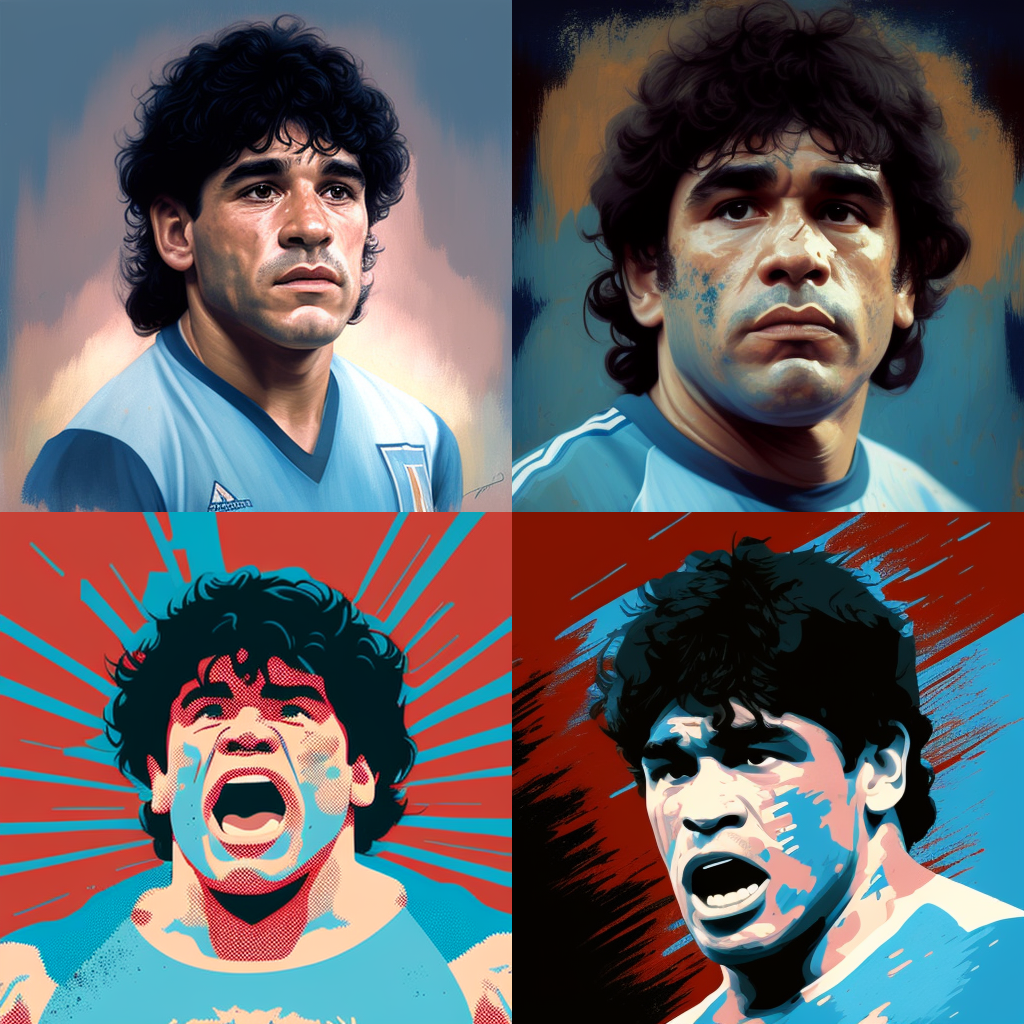
Diego Armando Maradona: A Football Icon

Diego Armando Maradona, one of the greatest football players of all time, left us in November 2020, leaving behind a legacy that will be remembered for generations to come. Born on October 30, 1960, in Buenos Aires, Argentina, Maradona’s life on and off the field was filled with both triumphs and controversies, but his impact on the sport of football cannot be overstated.

Maradona’s professional career began in 1976 when he joined Boca Juniors, one of Argentina’s most popular clubs. He quickly established himself as a formidable scorer and playmaker, leading Boca to several championships and earning recognition as one of the best young players in the world. In 1977, he signed with Barcelona, one of the top clubs in Spain, where he continued to shine.

Maradona’s greatest triumph, however, came in 1986, when he led Argentina to victory in the World Cup, scoring five goals and providing five assists in the tournament. He was awarded the Golden Ball as the tournament’s best player, and his performance in the quarter-final match against England, where he scored two of the most famous goals in football history (the “Hand of God” and the “Goal of the Century”), cemented his place in the annals of sports history.

Off the field, Maradona’s life was filled with controversies, including drug use, financial problems, and conflicts with the media. Despite these setbacks, however, Maradona remained a beloved figure to fans and colleagues alike, and his impact on the sport of football cannot be overstated. He was known for his charismatic personality, his passion for the game, and his unwavering commitment to his family and friends.

In conclusion, Maradona’s legacy as a football player and a human being is one that will live on forever. His impact on the sport and his contributions to society have earned him a place among the greatest athletes of all time, and his name will always be synonymous with the beautiful game. May he rest in peace and be remembered for generations to come.

The Loss of a Legend: A Tribute to Pelé

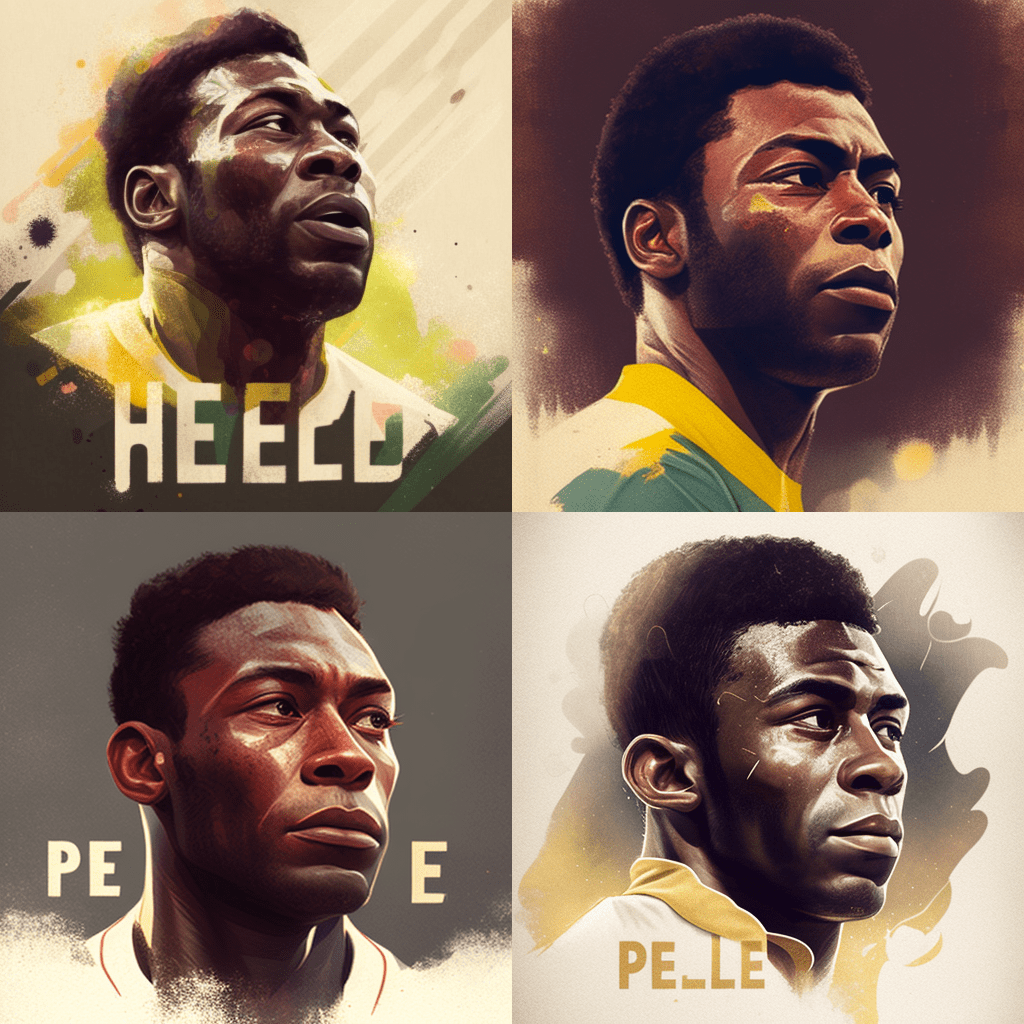
The Loss of a Legend: A Tribute to Pelé

It is with a heavy heart that we bid farewell to Edson Arantes do Nascimento, better known as Pelé, the King of Football. Pelé passed away last month, leaving behind a legacy that will forever be remembered in the annals of sports history.

Born on October 23, 1940, in Três Corações, Brazil, Pelé’s exceptional talent on the field earned him recognition as one of the greatest football players of all time. At the age of just 16, he made his professional debut for Santos FC and quickly established himself as a scorer and playmaker, leading Santos to several championships and earning recognition as one of the best young players in the world.

Pelé’s impact on the sport of football cannot be overstated. He won three World Cups with Brazil (1958, 1962, and 1970) and scored over 1,000 goals in various leagues and international competitions, a feat that has yet to be matched. His skills on the field were unparalleled, and his technique, speed, and vision earned him a reputation as a magician with the ball.

Off the field, Pelé was a true ambassador for the game, promoting it worldwide and inspiring generations of young players to pick up a ball and follow in his footsteps. He also used his platform to advocate for various social causes, including peace, education, and environmental protection.

Pelé’s humble and gracious personality, as well as his unwavering commitment to his family and friends, made him a beloved figure to fans and colleagues alike. His warm smile and infectious laugh will be remembered by all who had the privilege of knowing him.

The loss of Pelé is felt deeply by the entire football community and beyond. His impact on the sport and his contributions to society have earned him a place among the greatest athletes of all time, and his name will always be synonymous with the beautiful game. May he rest in peace and be remembered for generations to come.

Design a site like this with WordPress.com
Get started