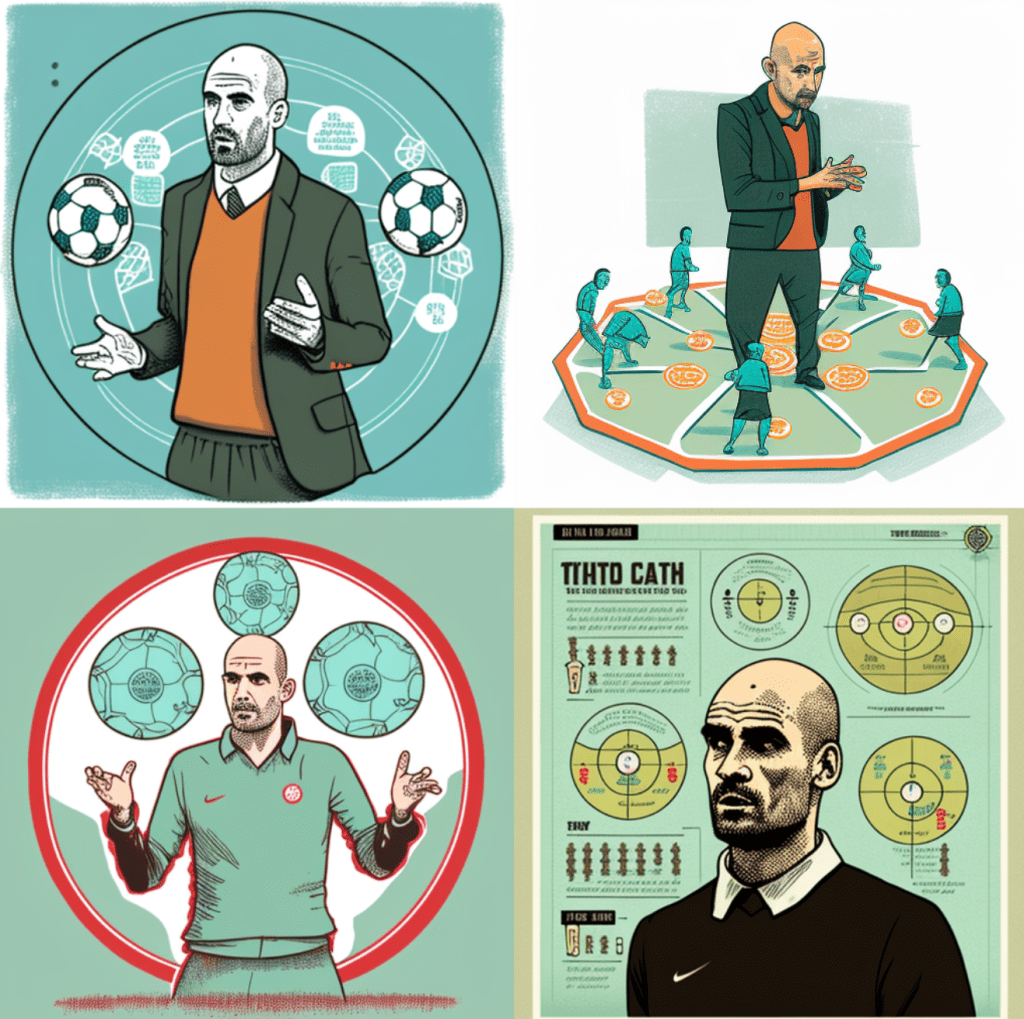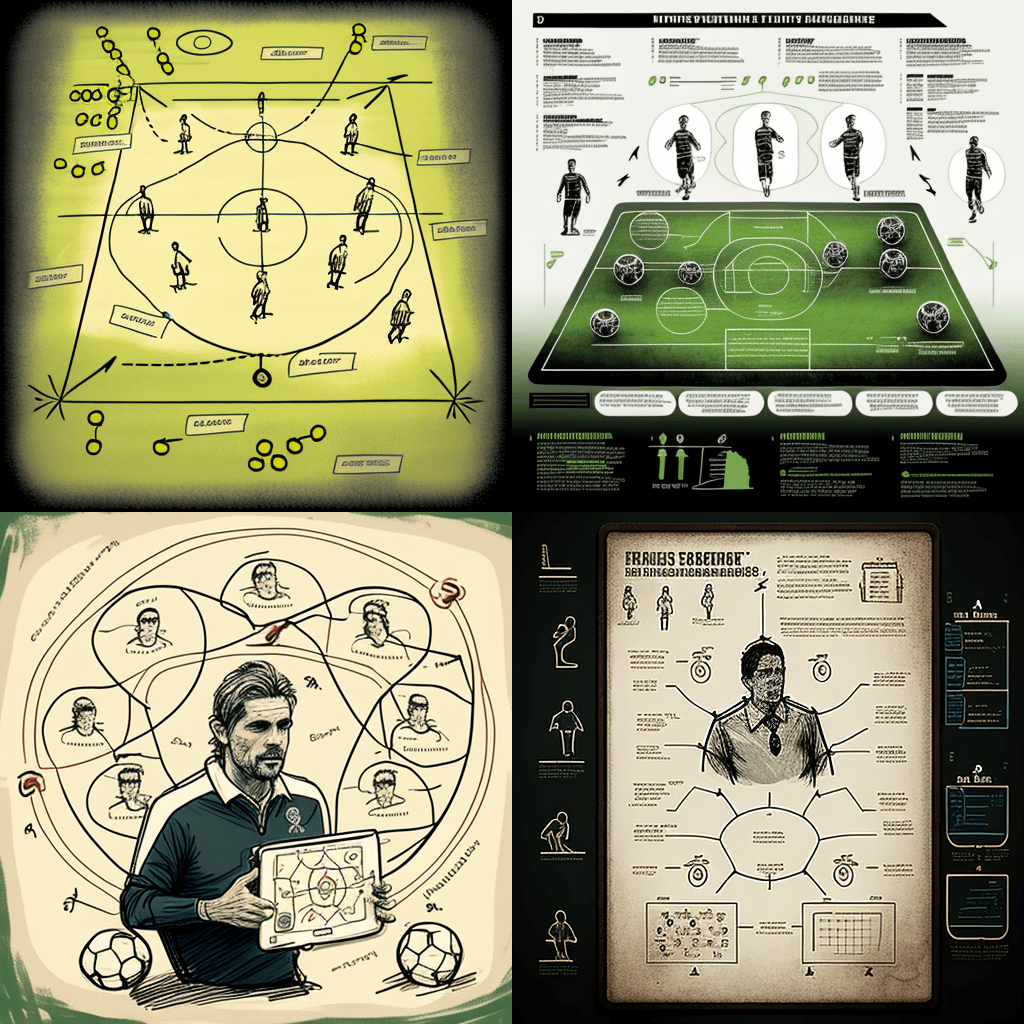
Mauricio Pochettino’s Soccer Coaching Philosophy: Building Teams, Developing Players, and Attacking Soccer

Mauricio Pochettino is one of the most respected and successful soccer coaches in the world today. With a coaching career spanning over a decade, Pochettino has gained a reputation for developing young talent, instilling a strong team culture, and playing an attacking style of soccer.

In this blog post, we will explore the coaching philosophy of Mauricio Pochettino, including his approach to team building, tactics, and player development. We will also examine some of the key principles that have helped Pochettino achieve success throughout his career.

Team Building

One of the cornerstones of Pochettino’s coaching philosophy is the importance of team building. Pochettino places a strong emphasis on creating a strong team culture, where players are encouraged to work together towards a common goal.

To achieve this, Pochettino prioritizes communication and unity within his teams. He encourages his players to build strong relationships with one another, both on and off the field. This approach has helped Pochettino’s teams develop a strong sense of trust and understanding, which has translated into success on the field.

Tactics

Pochettino is known for his attacking style of soccer, which is characterized by a high-pressing, high-intensity approach. Pochettino’s teams typically play with a high defensive line, which allows them to win the ball back quickly and launch quick counterattacks.

Pochettino’s teams also prioritize possession, with a focus on building attacks through the midfield. His players are encouraged to play with confidence and creativity, with the freedom to express themselves on the field.

Player Development

Pochettino is widely regarded as one of the best coaches when it comes to player development. He has a reputation for identifying and developing young talent, helping them reach their full potential.

Pochettino places a strong emphasis on creating a positive learning environment for his players. He encourages them to take risks, make mistakes, and learn from their experiences. Pochettino’s focus on player development has helped him produce some of the top young talents in world soccer, including Dele Alli, Harry Kane, and Son Heung-Min.

Key Principles

Throughout his career, Mauricio Pochettino has relied on several key principles to guide his coaching philosophy. These include:

  1. Hard Work: Pochettino places a strong emphasis on hard work and dedication. His teams are known for their work ethic, with players willing to put in the extra effort to achieve success.
  2. Trust: Pochettino believes that trust is essential for building strong relationships between players and coaches. He encourages his players to trust one another and trust in the team’s overall approach.
  3. Flexibility: Pochettino is known for his flexibility when it comes to tactics and player roles. He encourages his players to be versatile and adaptable, able to play in a variety of positions and roles as needed.
  4. Communication: Pochettino prioritizes communication both on and off the field. He believes that open and honest communication is essential for building trust and understanding within the team.

If you are a soccer coach or player looking to improve your game, be sure to check out our collection of books and eBooks on soccer coaching and player development. Our resources cover a range of topics, including tactics, team building, and player development, and are designed to help you take your game to the next level.

7 Essential Tips and Tricks to Improve Your Soccer Skills

Soccer, also known as football, is the world’s most popular sport. It’s a game that requires a combination of physical and mental skills, including speed, agility, stamina, and tactical awareness. Whether you’re a beginner or a seasoned player, there’s always room for improvement. In this blog post, we’ll explore some tips and tricks that can help you become a better soccer player.

  1. Practice, Practice, Practice

Practice is the foundation of any sport, and soccer is no exception. To become a better soccer player, you need to practice regularly. Try to practice at least 3-4 times a week. Set up drills that focus on different aspects of the game, such as dribbling, passing, shooting, and defending. Practicing these skills consistently will help you improve your technique, agility, and speed.

  1. Improve Your Fitness

Soccer is a physically demanding sport that requires a high level of fitness. You need to be able to run, jump, and change direction quickly. To improve your fitness, incorporate exercises such as running, sprinting, jumping, and agility drills into your training regimen. Additionally, strength training can also be beneficial in helping you build muscle, increase endurance, and prevent injuries.

  1. Watch Professional Games

Watching professional soccer games can be a great way to learn new techniques and tactics. Pay attention to how the players move on the field, how they pass the ball, and how they position themselves defensively. You can learn a lot from watching professional games, and you can incorporate what you learn into your own practice sessions.

  1. Develop Your Tactical Awareness

Soccer is not just about physical skills, but also about tactical awareness. You need to be able to read the game, understand your opponent’s strengths and weaknesses, and make quick decisions on the field. To improve your tactical awareness, study the game, read books, watch videos, and analyze your own performance. Additionally, playing different positions can help you gain a better understanding of the game.

  1. Play with Different Players

Playing with different players can help you improve your skills in different ways. Playing with more experienced players can help you learn new techniques and strategies, while playing with less experienced players can help you develop your leadership and communication skills. Additionally, playing with players from different cultural backgrounds can help you learn new approaches to the game.

  1. Set Goals and Track Your Progress

Setting goals and tracking your progress is essential in improving your soccer skills. Set specific, measurable, and achievable goals for yourself, such as improving your speed, accuracy, or stamina. Keep track of your progress by recording your practice sessions, measuring your performance, and tracking your achievements.

  1. Take Care of Your Body

Soccer is a physically demanding sport, and it’s important to take care of your body to prevent injuries and perform at your best. Make sure to warm up before every practice or game, stretch after each session, and stay hydrated. Additionally, get enough rest, eat a healthy diet, and avoid overtraining.

In conclusion, becoming a better soccer player requires dedication, discipline, and hard work. By incorporating these tips and tricks into your training regimen, you can improve your skills and performance on the field. So, keep practicing, keep learning, and keep pushing yourself to be the best soccer player you can be.

If you want to learn more about soccer and how to improve your skills, check out my books and ebooks on the subject. They provide comprehensive guides and techniques for all levels of players. Don’t hesitate to take the first step towards becoming a better soccer player today!

The Evolution of Soccer: From Ancient Origins to Modern-Day Gameplay

Soccer, also known as football in many parts of the world, is a sport that has been played for thousands of years. While the modern game we know today has been around for over a century, its origins can be traced back to ancient civilizations. In this blog post, we will take a closer look at the evolution of soccer, from its ancient beginnings to the modern-day game we know and love.

The earliest known form of soccer can be traced back to China during the Han Dynasty (206 BC – 220 AD), where it was known as Cuju. The game was played by two teams, and the objective was to kick a leather ball through a small opening in a silk screen, which served as the goalpost. Over time, the game spread to other parts of Asia and eventually to Europe, where various forms of soccer-like games were played throughout the Middle Ages and Renaissance.

In the mid-19th century, soccer began to take on a more organized form. In 1863, the Football Association was founded in England, and they established the first standardized set of rules for the game. These rules included banning the use of hands during gameplay and introducing the concept of offside.

From there, soccer quickly spread throughout Europe and eventually to other parts of the world. In 1904, FIFA (Fédération Internationale de Football Association) was established, which is now the governing body for international soccer.

Over the years, the game has continued to evolve. The introduction of tactical strategies and player positions in the 1950s and 1960s changed the way the game was played. The advent of television and live broadcasting brought the game to a wider audience, and the introduction of technology, such as goal-line technology and video assistant referees, has made the game fairer and more accurate.

Despite the changes in rules, tactics, and technology, the fundamental principles of soccer remain the same – teamwork, skill, and a passion for the sport. Soccer is a sport that brings people together from all walks of life and all corners of the globe, and its popularity is a testament to its enduring appeal.

If you are a soccer enthusiast, we have a great collection of books that you might find interesting. From the formations to the philosophies of some of the greatest coaches of all time, books for players development, our collection has something for everyone. Make sure to check out our books!

How to Handle the Pressure of a Soccer Game: Techniques for Players

Soccer is a high-pressure game that requires players to perform at their best under difficult circumstances. The pressure can come from various sources, such as the importance of the game, the expectations of the fans, or the fear of failure. The ability to handle pressure is an essential skill for any soccer player who wants to succeed at the highest level. In this article, we will discuss some techniques that players can use to deal with the pressure of a game.

  1. Visualization:

Visualization is a technique that involves creating mental images of a positive outcome. Players can use this technique to prepare themselves mentally for a game and reduce anxiety. Visualization can help players focus on their strengths and develop a positive mindset. For example, a player can visualize themselves scoring a goal, making a great tackle or pass, or winning the game. This technique can help players to build their confidence and self-belief.

  1. Breathing techniques:

Breathing techniques can help players to reduce anxiety and stay calm during a game. Players can use deep breathing exercises to regulate their heart rate and control their emotions. One popular breathing technique is the 4-7-8 method, which involves inhaling for four seconds, holding the breath for seven seconds, and exhaling for eight seconds. This technique can help players to reduce stress and stay focused.

  1. Positive self-talk:

Positive self-talk is a technique that involves using positive affirmations to boost self-confidence and reduce anxiety. Players can use positive self-talk to focus on their strengths and remind themselves of their ability to perform under pressure. For example, a player can say to themselves, “I am a skilled player, and I can handle the pressure of this game.” Positive self-talk can help players to stay focused on their goals and remain motivated during a game.

  1. Focus on the present:

Focusing on the present moment can help players to stay in the moment and not get overwhelmed by the pressure of the game. Players can use techniques such as mindfulness to focus on the present and reduce distractions. For example, a player can focus on their breathing, the sound of the crowd, or the feel of the ball at their feet. By focusing on the present moment, players can reduce anxiety and perform at their best.

Conclusion:

Handling the pressure of a soccer game is essential for players who want to succeed at the highest level. Techniques such as visualization, breathing techniques, positive self-talk, and focusing on the present can help players to reduce anxiety and perform at their best. By using these techniques, players can build their confidence, stay calm under pressure, and achieve their goals.

If you are interested in learning more about soccer coaching and player development, check out our books at Soccer Big Minds. Our books are designed to help coaches and players develop the skills they need to succeed on and off the field. Visit our website today to learn more.

Versatility on the Field: Tips for Playing in Different Positions in Soccer

As a soccer player, it’s important to be versatile and adaptable. One way to do this is by learning how to play in different positions on the field. In this blog post, we’ll explore some tips and strategies for playing in different positions in soccer.

Defender

Defenders play a critical role in preventing the other team from scoring. As a defender, your job is to keep the opposing team’s forwards from getting too close to your team’s goal. To be a successful defender, you should focus on the following:

  • Communication: Talk to your teammates to make sure everyone is on the same page.
  • Positioning: Stay between the ball and the goal at all times.
  • Tackling: Time your tackles carefully and avoid committing fouls.

Midfielder

Midfielders are responsible for controlling the flow of the game. As a midfielder, your job is to transition the ball from defense to offense and create scoring opportunities for your team. To be a successful midfielder, you should focus on the following:

  • Passing: Look for open teammates and make accurate passes.
  • Movement: Keep moving to create space and make yourself available for passes.
  • Defense: Help out your defenders when needed.

Forward

Forwards are responsible for scoring goals. As a forward, your job is to get into scoring positions and take shots on goal. To be a successful forward, you should focus on the following:

  • Movement: Keep moving to create space and get into scoring positions.
  • Shooting: Practice your shooting to improve your accuracy and power.
  • Teamwork: Work with your teammates to create scoring opportunities.

Conclusion

Playing in different positions can be challenging, but it’s also a great way to improve your overall game. Whether you’re a defender, midfielder, or forward, focus on the key skills and strategies for your position. Remember to communicate with your teammates and work together to achieve your goals.

If you’re interested in learning more about playing soccer, be sure to check out our books on the subject. With our expert advice and guidance, you can take your game to the next level. Click here to learn more.
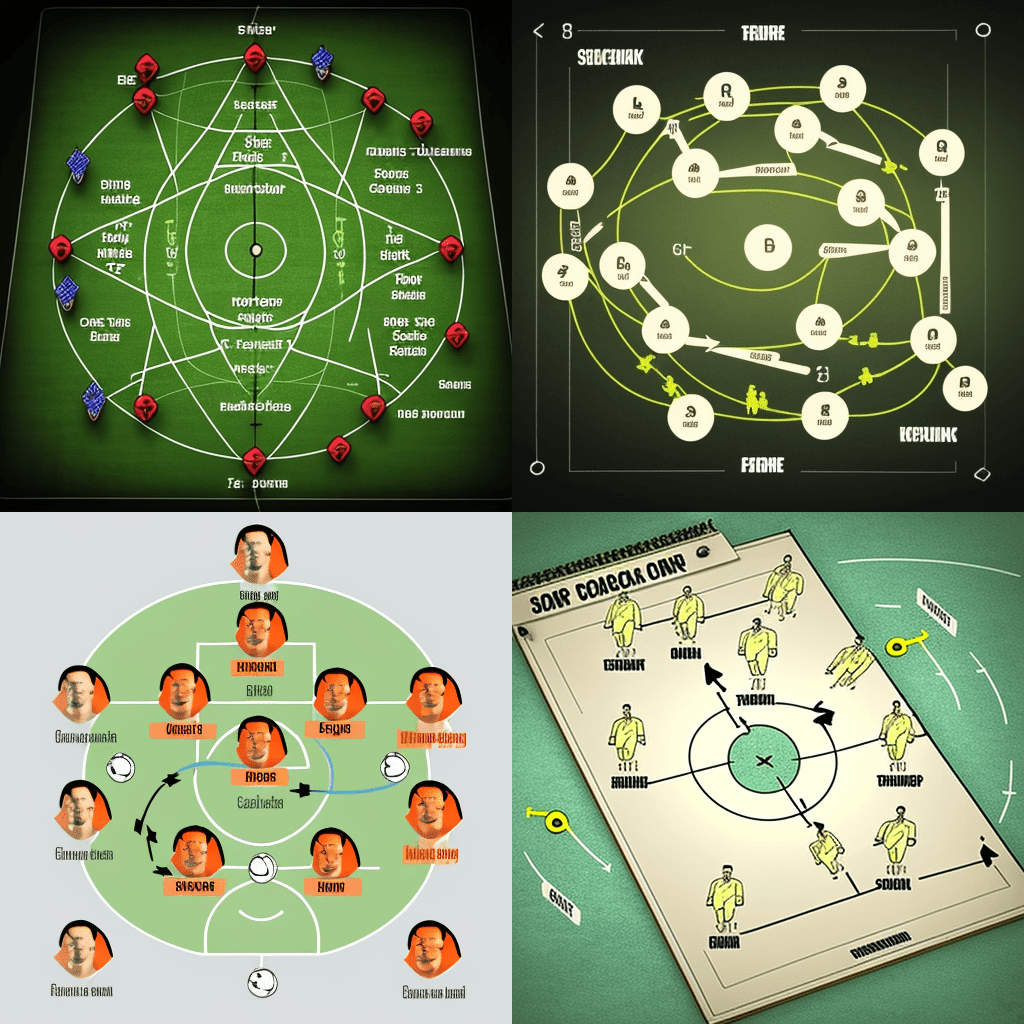
Exploring the Winning Coaching Philosophy of Massimiliano Allegri: Adaptability, Defense, Creativity, Teamwork, and Unity

Massimiliano Allegri is a name that is well known in the world of soccer. The Italian coach has made a name for himself by leading some of the biggest clubs in the world, including Juventus and AC Milan, to great success. His coaching philosophy has been analyzed and studied by many, and it has become clear that his approach is a combination of several different styles that he has picked up over the years. In this blog post, we will explore the coaching philosophy of Massimiliano Allegri and see how it has helped him achieve success.

Allegri’s philosophy is built around the idea of adaptability. He believes that a coach must be able to adapt to the team he is working with and the situation at hand. This means that he does not believe in a one-size-fits-all approach to coaching. Instead, he tailors his tactics and strategy based on the strengths and weaknesses of his players and the opposing team.

One of the key elements of Allegri’s philosophy is the importance of the defensive aspect of the game. He believes that a strong defense is the foundation of success in soccer. This means that his teams are well-organized and disciplined in defense, with a focus on preventing the opposition from scoring. This does not mean that Allegri’s teams do not attack, but rather that they prioritize a strong defense first and foremost.

Allegri also believes in the importance of individual creativity and freedom on the field. He encourages his players to express themselves and make their own decisions, rather than relying solely on his instructions. This allows players to play with confidence and creativity, which can lead to unexpected and game-changing moments.

Another aspect of Allegri’s philosophy is his emphasis on teamwork and unity. He believes that a team can only be successful if all players are working together towards a common goal. This means that he creates a strong team spirit, where players support and trust each other both on and off the field.

Allegri’s coaching philosophy has been proven to be successful, as he has won multiple trophies and accolades throughout his career. He has won five Serie A titles, four Italian Cups, and reached two Champions League finals. His success is a testament to the effectiveness of his approach to coaching.

In conclusion, Massimiliano Allegri’s coaching philosophy is built around adaptability, a strong defense, individual creativity, teamwork, and unity. His approach has helped him achieve success at the highest level of soccer. If you are interested in learning more about the coaching philosophies of other successful coaches, be sure to check out our book, which provides insights into the approaches of over 100 of the most famous soccer coaches in history.

The Art of Football Formation: Understanding FIFA’s 12 Recognized Formations

Football is a game that has evolved over the years, and one of the key aspects of this evolution is the formation used by teams. The formation is essentially the tactical setup of the players on the field, and it has a significant impact on the way the team plays. FIFA recognizes a total of 12 football formations, each with its unique characteristics and strengths, but all based on the principles of balance between attacking and defensive capabilities.

4-1-4-1 Formation

The 4-1-4-1 formation is a balanced formation that provides stability in defense and midfield. The lone striker is responsible for leading the line and holding the ball up, while the four midfielders provide support in attack and defense. The holding midfielder provides protection to the back four while also initiating attacks.

4-1-3-2 Formation

The 4-1-3-2 formation is an attacking formation that prioritizes creating chances in the final third. The two strikers work in tandem to create scoring opportunities, while the three attacking midfielders provide support and creativity. The holding midfielder provides cover to the defense and also initiates attacks.

4-2-4 Formation

The 4-2-4 formation is a traditional attacking formation that emphasizes attacking play over defensive stability. The two central midfielders provide support to the defense while also initiating attacks, while the four forwards work together to create scoring opportunities.

4-3-3 Formation

The 4-3-3 formation is a balanced formation that provides both attacking and defensive capabilities. The three central midfielders provide a balance of attacking and defensive support, while the three forwards work together to create scoring opportunities.

4-4-2 Formation

The 4-4-2 formation is a traditional formation that prioritizes defensive stability over attacking play. The two central midfielders provide cover for the defense while also initiating attacks, while the two forwards work together to create scoring opportunities.

3-5-2 Formation

The 3-5-2 formation is an attacking formation that emphasizes the importance of wing-backs in creating chances. The three central defenders provide a solid foundation in defense, while the two wing-backs provide width and support in attack. The two central midfielders provide support in attack and defense, while the two forwards work together to create scoring opportunities.

4-2-3-1 Formation

The 4-2-3-1 formation is a balanced formation that provides both attacking and defensive capabilities. The two holding midfielders provide cover for the defense while also initiating attacks, while the three attacking midfielders provide support and creativity in attack. The lone striker is responsible for leading the line and holding the ball up.

3-4-3 Formation

The 3-4-3 formation is an attacking formation that prioritizes creating chances in the final third. The three central defenders provide a solid foundation in defense, while the two wing-backs provide width and support in attack. The two central midfielders provide support in attack and defense, while the three forwards work together to create scoring opportunities.

3-6-1 Formation

The 3-6-1 formation is a defensive formation that prioritizes stability in defense. The three central defenders provide a solid foundation in defense, while the six midfielders provide cover and support. The lone striker is responsible for holding the ball up and creating chances.

4-5-1 Formation

The 4-5-1 formation is a defensive formation that prioritizes stability in defense. The five midfielders provide cover and support for the defense, while the lone striker is responsible for holding the ball up and creating chances.

5-4-1 Formation

The 5-4-1 formation is a defensive formation that prioritizes stability in defense. The five defenders provide a solid foundation in defense, while the four midfielders provide cover and support. The lone striker is responsible for holding the ball up and creating chances.

5-3-2 Formation

The 5-3-2 formation is a defensive formation that prioritizes stability in defense. The five defenders provide a solid foundation in defense, while the three central midfielders provide cover and support. The two forwards work together to create scoring opportunities.

While these are the 12 recognized formations by FIFA, there are countless variations and adaptations of these formations used by different teams around the world. The key to success with any formation is to find the right balance between attacking and defensive capabilities that best suits the team’s strengths and weaknesses.

For example, teams with strong attacking players may opt for a more attacking formation such as the 4-3-3 or 3-4-3, while teams with a weaker attack may opt for a more defensive formation such as the 4-5-1 or 5-4-1. Similarly, teams with a solid defense may opt for a more attacking formation to create more scoring opportunities, while teams with weaker defenses may prioritize defensive stability with a more defensive formation.

In addition to the formation itself, the success of a team also depends on the players’ roles and responsibilities within that formation. A skilled coach will be able to identify the strengths and weaknesses of each player and assign roles that best suit their abilities, ensuring that the team can function cohesively within the chosen formation.

In conclusion, the choice of formation is a crucial tactical decision for any football team. Each formation has its unique characteristics and strengths, but the key to success lies in finding the right balance between attacking and defensive capabilities that best suits the team’s strengths and weaknesses. With the right formation and the right roles assigned to each player, a team can achieve great success on the field.

Breaking Down Pep Guardiola’s Innovative Football Formations

Pep Guardiola is one of the most successful football managers in the world, known for his innovative tactics and ability to adapt to different playing styles. Throughout his career, Guardiola has used a variety of formations to achieve success, from the classic 4-3-3 to the more experimental 3-4-3. In this blog post, we’ll take a closer look at some of Pep Guardiola’s most notable formations and how they’ve contributed to his success as a manager.

4-3-3

The 4-3-3 formation is perhaps the most iconic formation associated with Guardiola. He used this formation extensively during his time at Barcelona and has continued to use it with great success at Manchester City. The 4-3-3 is a versatile formation that allows for a high degree of attacking freedom, with the wingers pushing forward to create scoring opportunities and the central midfielders providing support and cover in both attack and defense. This formation requires players who are comfortable on the ball and able to maintain possession in tight spaces, which is why it has been such a successful formation for Guardiola’s teams.

3-4-3

While the 4-3-3 is Guardiola’s go-to formation, he has also experimented with more unusual formations over the years. One of the most notable of these is the 3-4-3, which he used during his time at Bayern Munich. This formation features three central defenders, two wing backs, and a midfield quartet of two central midfielders and two attacking midfielders. The front three is made up of two wide forwards and a central striker. The 3-4-3 allows for a high degree of attacking freedom and allows for quick counterattacks, while the three central defenders provide extra cover at the back.

False 9

Another tactical innovation that Guardiola is famous for is the false 9 position. This involves using a player in the central striker role who drops back into midfield, leaving space for the wingers to push forward and create scoring opportunities. Guardiola first used this tactic with great success at Barcelona, where Lionel Messi played the false 9 role to devastating effect. The false 9 position requires a player who is comfortable on the ball and able to create space for themselves and their teammates, making it a difficult position to play. However, when executed correctly, it can be a highly effective tactic.

Conclusion

Pep Guardiola’s success as a manager is due in large part to his ability to innovate and adapt his tactics to the players he has available. His use of the 4-3-3 formation has become iconic, but he has also experimented with more unusual formations like the 3-4-3 and introduced the false 9 position to the world of football. Whatever formation he chooses, Guardiola’s teams are always characterized by their fluid attacking play and their ability to maintain possession and control the game. It’s no wonder that he’s considered one of the greatest managers of all time.

The Coach’s Bible: Mastering Your Coaching Philosophy

Are you tired of feeling like you’re not getting the respect you deserve from your soccer players? Do you want to develop a coaching philosophy that will inspire admiration and dedication from your team? Look no further than “The Coach’s Bible: Mastering Your Coaching Philosophy.”

This comprehensive guide will walk you through the process of developing a coaching philosophy that will not only win your players’ respect but also elevate their game to new heights. With practical tips and actionable advice, you’ll learn how to create a team culture that fosters trust, discipline, and excellence.

In just one week, you’ll see a noticeable difference in your players’ attitudes and performance on the field. They’ll be more focused, motivated, and eager to learn. You’ll also learn how to identify and address common coaching pitfalls, such as communication breakdowns and conflicts with players.

“The Coach’s Bible: Mastering Your Coaching Philosophy” is an essential resource for any soccer coach who wants to take their coaching to the next level. Whether you’re a seasoned veteran or just starting out, this book will help you develop a coaching philosophy that will earn you the respect and admiration of your players. So why wait? Order your copy today and start winning on and off the field!

Check this out! https://a.co/d/2wqm90u

Design a site like this with WordPress.com
Get started