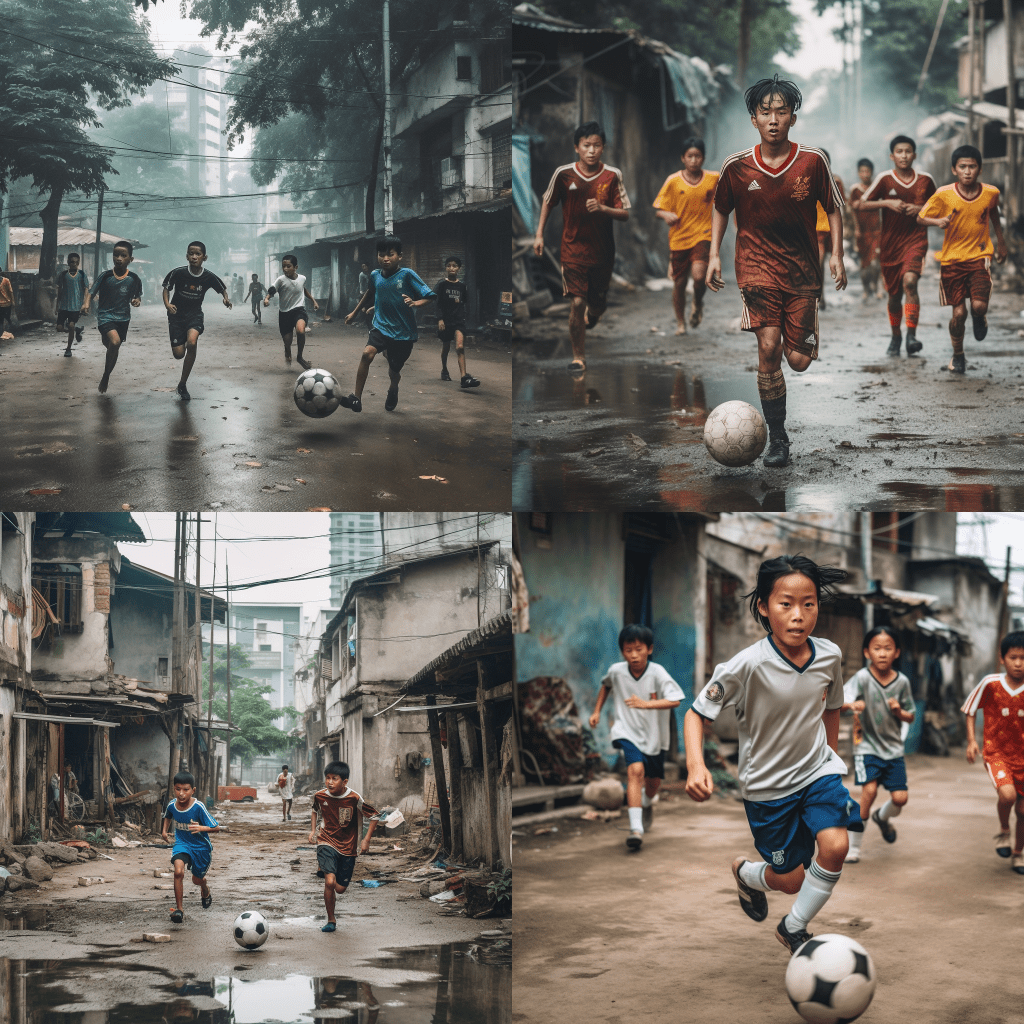
Soccer, also known as football, is one of the most popular sports in the world, and Asia is no exception. Soccer has a rich history and culture in Asia, and it has become a significant part of the region’s identity. In this blog post, we will explore the culture of soccer in Asia.
The History of Soccer in Asia
Soccer first arrived in Asia during the late 1800s and early 1900s when European colonizers introduced the sport to the region. The first official soccer club in Asia was established in India in 1889, and the first inter-colonial match took place in Shanghai, China, in 1892. Over the years, soccer gained popularity in Asia, and by the 1950s, the sport had become a significant part of the region’s culture.
Today, Asia is home to some of the most passionate soccer fans in the world, and the region has produced some of the sport’s greatest players, including Hidetoshi Nakata (Japan), Park Ji-sung (South Korea), and Ali Daei (Iran).
The Culture of Soccer in Asia
Soccer has a unique culture in Asia, with each country having its own traditions and ways of celebrating the sport. For example, in Japan, soccer is known as “sakka,” and it is considered a symbol of teamwork, perseverance, and discipline. Japanese soccer fans are known for their passionate support of their national team, and they are famous for their choreographed chants and synchronized flag-waving.
In South Korea, soccer is a significant part of the country’s identity and is celebrated as a symbol of national pride. South Korean soccer fans are known for their enthusiastic support of their national team, and they are famous for their loud and synchronized cheers and chants.
In Iran, soccer is considered the most popular sport in the country, and it is a way for Iranians to express their national pride and identity. Iranian soccer fans are known for their passionate support of their national team, and they are famous for their colorful banners and flags.
The Impact of Soccer in Asia
Soccer has had a significant impact on Asia, both culturally and economically. The sport has brought people together, united communities, and fostered a sense of national pride and identity. Soccer has also contributed to the region’s economic growth, with the sport generating billions of dollars in revenue each year.
Furthermore, soccer has helped to promote gender equality in Asia, with the sport providing opportunities for women to participate and excel in a traditionally male-dominated field. The success of women’s soccer teams in countries such as Japan, China, and South Korea has inspired a new generation of female athletes and helped to break down gender stereotypes.
Conclusion
Soccer has a rich history and culture in Asia, and the sport has become a significant part of the region’s identity. The passion and enthusiasm of Asian soccer fans are unmatched, and the sport has brought people together, united communities, and fostered a sense of national pride and identity. With the continued growth and success of soccer in Asia, the sport’s impact on the region is sure to continue for generations to come.
 Soccer Big Minds