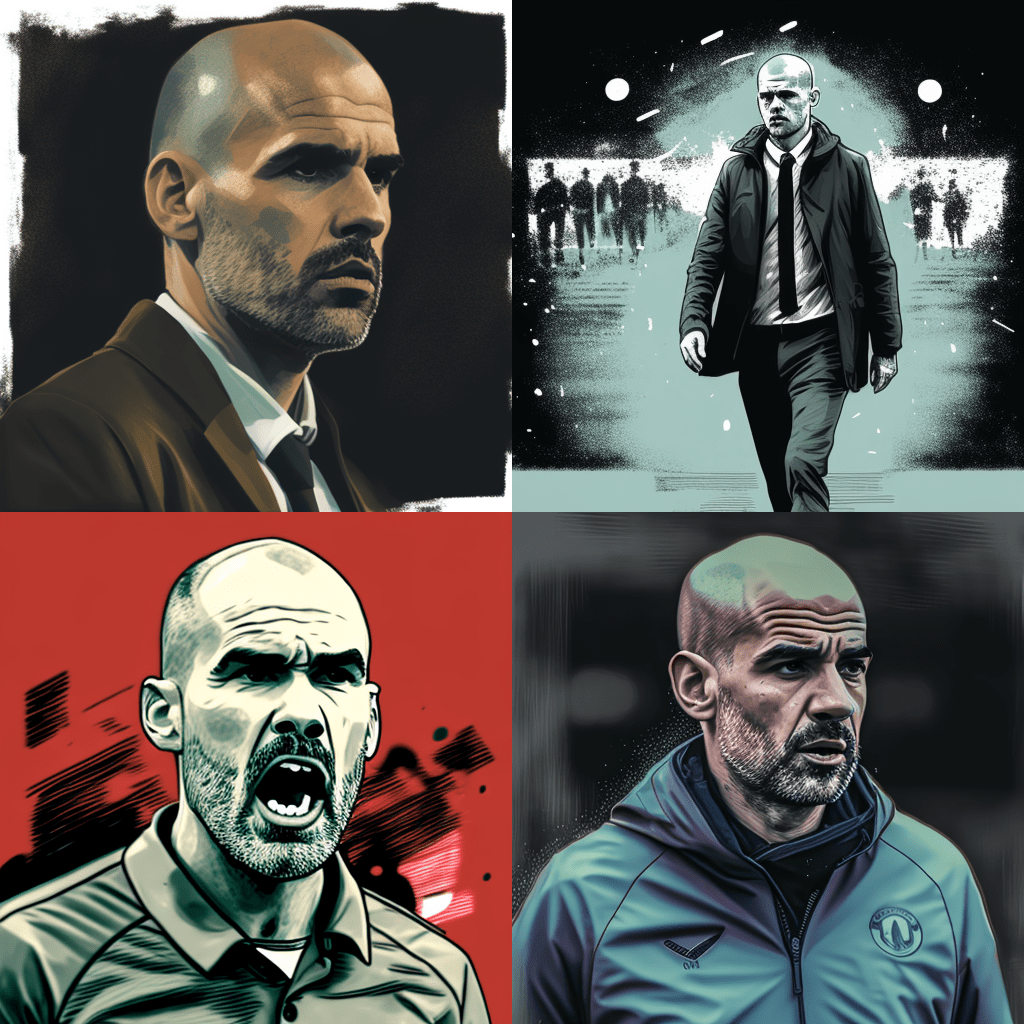
Pep Guardiola is one of the most successful football managers in history. Born in Santpedor, Spain, in 1971, Guardiola rose to prominence as a player for Barcelona, where he won multiple titles and became an integral part of the club’s success in the late 1990s and early 2000s. However, it was as a manager that Guardiola truly made his mark, leading Barcelona to some of their most successful seasons ever. In this blog post, we will take a closer look at Guardiola’s time in charge of Barcelona and examine the factors that made him so successful.
Guardiola’s appointment as Barcelona’s manager in 2008 was met with some skepticism, as he had only previously managed the club’s B team. However, his intimate knowledge of the club and its philosophy, combined with his tactical acumen and man-management skills, quickly won over the players and fans alike.
Under Guardiola’s guidance, Barcelona played a brand of football that was both beautiful and effective. Known as tiki-taka, this style of play relied on quick, short passes and constant movement to create space and overwhelm the opposition. Guardiola’s team also pressed aggressively when they didn’t have the ball, using a high defensive line and intense pressure to win back possession quickly.
The results of Guardiola’s approach were stunning. In his first season in charge, Barcelona won an unprecedented treble, consisting of the La Liga title, the Copa del Rey, and the UEFA Champions League. They followed this up with two more La Liga titles and another Champions League trophy over the next two seasons, cementing their status as one of the greatest teams of all time.
One of the keys to Guardiola’s success was his ability to get the best out of his players. He famously worked closely with Lionel Messi, helping to develop the young Argentine into the best player in the world. He also got the most out of other key players such as Xavi, Andres Iniesta, and Sergio Busquets, who formed the core of his midfield.
Guardiola’s man-management skills were also crucial. He was known for his ability to motivate his players and create a positive team atmosphere. He also knew when to rotate his squad, giving opportunities to younger players and keeping his more experienced players fresh. This approach helped to keep the team hungry and focused, even during the long and grueling seasons.
Another key factor in Guardiola’s success was his tactical flexibility. While he was known for his commitment to tiki-taka, he was not afraid to adapt his approach depending on the opposition. For example, in the 2011 Champions League final against Manchester United, Guardiola used a more direct approach, with Messi playing in a deeper role and Pedro and David Villa playing as wide forwards. This allowed Barcelona to overcome a physical and aggressive United side and win the game convincingly.
Guardiola’s time at Barcelona was not without its challenges. In his final season in charge, the team struggled with injuries and fatigue, and were knocked out of the Champions League by eventual winners Chelsea. Guardiola also faced criticism from some quarters for his outspoken political views, which put him at odds with the Spanish authorities.
Despite these challenges, however, Guardiola’s legacy at Barcelona is secure. His team played some of the most beautiful and effective football ever seen, and his success as a manager has inspired a generation of coaches around the world. His commitment to the Barcelona philosophy, combined with his tactical acumen and man-management skills, made him the perfect manager for the club at that time. And while he has gone on to achieve further success at Bayern Munich and Manchester City, his time at Barcelona will always be remembered as one of the greatest periods of success in the club’s history.
 Soccer Big Minds