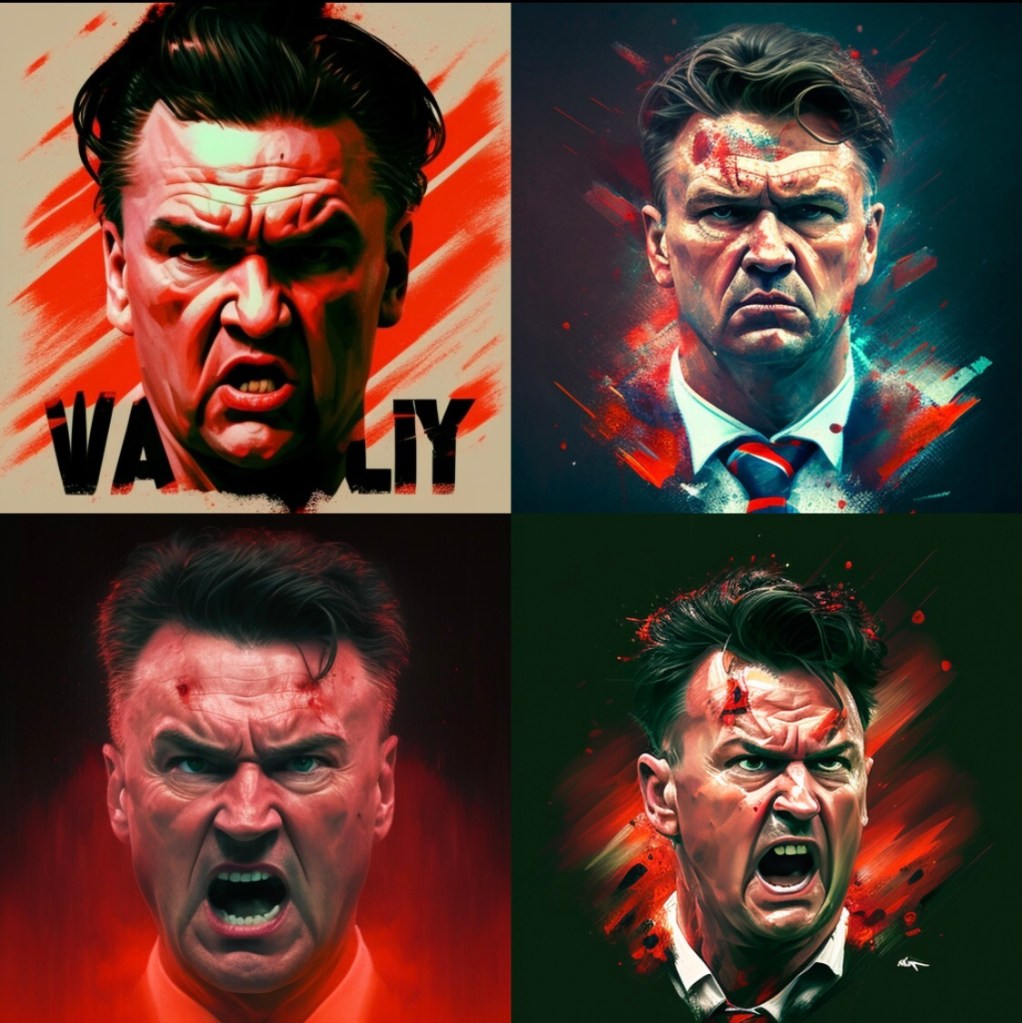
Louis van Gaal is a former Dutch football manager who has managed some of the biggest clubs in Europe, including Ajax, Barcelona, Bayern Munich and Manchester United. He is known for his unique and distinct soccer philosophy, which has earned him both praise and criticism throughout his career. In this blog post, we will delve into the intricacies of van Gaal’s soccer philosophy and explore how it has impacted the teams he has managed.
Van Gaal’s philosophy is based on a few key principles, including control, possession and pressure. He believes that to win games, a team must have control over the ball and use possession to create scoring opportunities. At the same time, they must put pressure on the opposition, forcing them to make mistakes and giving themselves an opportunity to score.
Control and possession are central to van Gaal’s philosophy. He believes that a team must be able to keep the ball for long periods of time and make use of their possession to create chances. To achieve this, van Gaal emphasizes the importance of a strong passing game, which is why his teams are known for their crisp, precise passing and movement off the ball.
Another key aspect of van Gaal’s philosophy is pressure. He believes that a team must be able to put pressure on their opponents and force them into making mistakes. To achieve this, van Gaal’s teams play a high-pressing game, closing down their opponents and forcing them to make quick decisions under pressure. This approach requires a high level of fitness and discipline, as players must be able to maintain their intensity for the entire game.
Van Gaal also places a great emphasis on tactical flexibility, and is known for his ability to adapt his system to suit the strengths of his players. He has been known to switch between different formations during the course of a game, depending on the situation. This requires a great deal of tactical awareness and understanding from his players, as they must be able to quickly adapt to changes in the game plan.
One of the hallmarks of van Gaal’s philosophy is his focus on youth development. Throughout his career, van Gaal has shown a commitment to promoting young players and giving them opportunities to showcase their talent. This is evident in his time at Ajax, where he helped develop a number of talented young players, including Edgar Davids, Patrick Kluivert, and Clarence Seedorf.
Despite the success of van Gaal’s philosophy, it has also received its share of criticism. Some have argued that his approach is too rigid and that it fails to take into account the individual strengths and weaknesses of his players. Others have criticized his high-pressing game, arguing that it can be too physically demanding for his players and that it can leave them vulnerable to counterattacks.
In conclusion, Louis van Gaal’s soccer philosophy is built on a few key principles, including control, possession, and pressure. He places a great emphasis on passing and movement, as well as tactical flexibility and youth development. Despite its success, it has also been criticized for being too rigid and physically demanding. Regardless, van Gaal’s philosophy has had a significant impact on the teams he has managed and his approach to the game continues to be a subject of debate among football fans and experts.
 Soccer Big Minds